May We Refresh Your Israeli Wine History (And Your Glass)?

Monday, May 24, 2010 by Ajax Union Blogging
Israel has a climate like the Mediterranean and Northern California, perfect for growing the grapes to make fine kosher wines.

In fact, in Roman times, Israel exported a huge amount of wine to Rome, with greatly sought after vintages—until the 7th century A.D. Islamic conquest of the Middle East all but wiped out the region's wine industry.

For much of modern history, Israeli wines were varieties of somewhat sweet kosher reds, mainly exported to Jewish communities around the world. But little by little… In the late 1960s, Carmel Winery made the first dry Israeli table wine. In the late 1989, Margalit Winery, Israel’s first boutique winery was founded. By the 1990s, Israeli wines were winning awards at international wine competitions.

Some critics argue that the future of Israeli wines is in small, boutique wineries. There are so many cropping up, making it easier and easier to find interesting, complex, high quality Israeli wines.

We make it our business to find them. Happily for us, our business is also a pleasure, like going to a dinner party—choosing the kosher Israeli wines we love best and bringing them to you.
Posted in Labels: | 0 Comments »

Changing Times and Kosher Wines

Tuesday, May 18, 2010 by Ajax Union Blogging

I’m not sure Hollywood has directed its cameras on kosher wines specifically, but remember back in 2004 when that depressed guy in the movie(think vineyards, sunshine, spitting) looked down his nose at merlot and we all quickly hid the offending bottles still in our wine racks so no one would know we drank it? (Of course we didn’t pour them down the sink or anything stupid like that.)

Well, the good news is, we’re over it. A 2010 study declared merlot proud winner of the largest consumer base of any varietal in the U.S. And so we might as well ‘fess up that of all our kosher wines, our Israeli wines, lately we’re really crazy about Segal’s Merlot Special Reserve 2002. In vino veritas, as they say.

Funny thing is, in the final scene of Sideways, when Miles breaks open the wine of his dreams (chugs it in a plastic cup with a burger, remember?), it’s a Cheval Blanc, a merlot-inspired Bordeaux. And the lesson here is? Take Hollywood with a grain of salt. Like what you like. If you haven’t already dusted off the merlots of your own kosher wine collection, we’ve got just the thing to bring you back around.

All-About Blush Kosher Wine

Monday, May 10, 2010 by Jessica G.

If you’re a fan of sweeter moscato wines, chances are you would love blush wines. Many times, blush wine conjures up the image of Sutter Home White Zinfandel, but there is so much more to blush kosher wine than meets the eye. Here is a little more about this often misunderstood wine category.

Blush wines are more commonly known as Rosé, a French term for pink. Rosés range from slightly sweet to dry with fruity aromas. They tend to be more complex than the average White Zinfandel and in some cases offer more body. They have a lively acidity which makes them great with food pairings. A huge difference in a Rosé and other wines, is that they don’t age well. This is because the wines don’t come in contact with the grape’s skin for long periods of time, so the aging structure isn’t built as strongly as it is in other kosher wines.

Blush wine is more of a style than a varietal. This open-ended label leaves rooms for tons of different concoctions, with the most notable being Syrah and Rosado. Many wine makers have been successful making Rosé from varietals such as Pinot Noir, Zinfandel, Syrah, Grenache, and Cabernet.

How To Throw A Spring, Kosher Wine Tasting

Tuesday, May 4, 2010 by Genevieve L

You don’t have to wait until the holidays to enjoy all the exciting, new kosher wines out there (and there are many.) With the weather warming and days growing longer, a casual kosher wine tasting is the perfect occasion to bring together friends and family for a night of sipping, toasting, and socializing.

Pick Something New. Ask friends to share their takes on kosher wines: which they’ve tried, loved, or loathed. You’ll gauge their preferences and have enough information to start picking your lineup of tastings. Introduce new bottles to the tasting, but try and keep an even number of red and white kosher wines—each style has its camp of loyalists, so make sure there’s something for everyone.

  • Think Through Pours. Give guests enough advance notice so you have an accurate RSVP count. Buy with this number in mind, so you avoid the risk of running short. You don’t want to deny your Aunt Judy a taste of Bartenura Moscato, because the bottle’s gone dry.
  • Plan Your Spread. Pick simple foods that pair exceptionally well with kosher wines. Your best bets are fresh fruit and a robust selection of cheeses. Research which kinds are notorious partners for your pours in advance.
  • It’s All In The Details. Write elegant note cards for each kosher wine, highlighting their notes and personality. Politely suggest food pairings and explain the pair’s appeal.
  • Watch The Clock. Be sure guests drink reasonable servings and finish all glasses at least an hour before driving home. Put your guests’ safety before your spread.
  • Our Favorite Kosher Wine for Spring. We highly recommend sharing a succulent Bartenura Moscato, crisp Sauvignon Blanc or spicy, new Shiraz Rose this Spring.

Kosher Wine Makes Kosher Meals

Wednesday, April 28, 2010 by Lucy B.
There are so many wonderful Kosher dishes involving Kosher wine. Here are some of our favorites.

Charoset is a popular Eastern European sweet, chunky paste that’s typically served during Passover Seder and is a favorite among children. Traditionally, it includes crushed nuts, cinnamon, sweet red Israeli wine and apples, but could also include other ingredients like raisins, figs, dates and sesame seeds.

Kosher Meatballs, made with lean ground meat, bread crumbs, eggs, onions, tomato sauce, cranberry sauce, and shallots or parsley can be made particularly tasty by adding a drop of full-bodied red Zinfandel wine.

If you’re in the mood for something really rich and hearty, a Prime Rib with Au Jus is guaranteed to do just the trick. The prime rib should be rubbed with Kosher salt, peppercorns, vegetable oil and garlic cloves, and roasted until medium rare. The au jus is made with the pan juices, beef broth and red wine – delicious!

A Nut Cake is a quick and easy dessert made with eggs, sugar, vegetable oil, matzo meal, ground lemon rind and finely chopped walnuts, and topped with a zesty lemon and white wine sauce.

If You Like Bartenura Moscato…

Monday, April 19, 2010 by Sarah M.
bartenura moscato moscato wines kosher wines kosher wine


Do you like Bartenura Moscato wine? If so, you might be wondering what other kosher wines on the market might tickle your fancy. Read on for some of our favorite white wines with similar tastes.

Herzog White Riesling: This late-harvest white offers a low alcohol content with apricot and honey flavors reminiscent of Bartenura Moscato. And, like the Bartenura, this wine pairs well with fruit and fruit desserts.

Golan Moscato: Another of the Moscato wines, this sparkling white from Israel boasts citrus flavors similar to Bartenura Moscato, with an added touch of guava. As a low-alcohol wine, the Golan Moscato is perfect to serve with dessert.

Rashi Light White Concord: Like the Bartenura Moscato, this wine goes down easy and is best served chilled. Because of its low alcohol content, this Rashi is superb on its own or alongside a fruity dessert.

Kedem Cream Niagra: Available for under $5, this kosher wine bottled in New York provides that same sweet and fruity taste as Bartenura Moscato. In addition to fruit desserts, this wine also interacts well with pastries.

All About Moscato Wines

Monday, April 12, 2010 by Sarah M.
moscato wines moscato wines bartenura moscato


Connoisseurs and casual drinkers alike know Moscato wines by name – or, more accurately, by names, as the international family of wines is alternately called Muscadel, Muscat, and Moscatel. But nomenclature aside, Moscato wines all feature grapes from the Muscat family – a primarily sweet subset of the Vitis vinifera species.

KosherWineRack.com features a selection of sweet Moscato wines from Spain, Italy, and Israel. Lets take a look at some of our favorites:

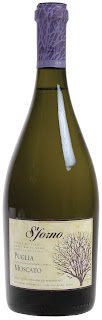
Sforno Moscato: Bottled in 2006, this Spanish kosher wine features an effervescent vibe accented by mild pear and apple flavors. It pairs nicely with sweet fruit and melon, as well as chocolate mousse and similar dishes.

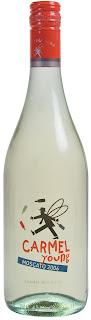
Carmel Young Moscato: This 2007 wine from Israel’s Samson region is known for its pleasant grape aroma and subtle sparkling texture. Serve chilled at light meals or outdoor picnics – the twist-off cap makes it easy to pour in any setting!

Bartenura Moscato: Finally, to Italy! Produced in 2008, Bartenura Moscato boasts a compelling blend of melon, nectar, pear, and tangerine tastes. Drink with dessert, fruit, or a light plate of appetizers.