If You Like Bartenura Moscato…

Monday, April 19, 2010 by Sarah M.
bartenura moscato moscato wines kosher wines kosher wine


Do you like Bartenura Moscato wine? If so, you might be wondering what other kosher wines on the market might tickle your fancy. Read on for some of our favorite white wines with similar tastes.

Herzog White Riesling: This late-harvest white offers a low alcohol content with apricot and honey flavors reminiscent of Bartenura Moscato. And, like the Bartenura, this wine pairs well with fruit and fruit desserts.

Golan Moscato: Another of the Moscato wines, this sparkling white from Israel boasts citrus flavors similar to Bartenura Moscato, with an added touch of guava. As a low-alcohol wine, the Golan Moscato is perfect to serve with dessert.

Rashi Light White Concord: Like the Bartenura Moscato, this wine goes down easy and is best served chilled. Because of its low alcohol content, this Rashi is superb on its own or alongside a fruity dessert.

Kedem Cream Niagra: Available for under $5, this kosher wine bottled in New York provides that same sweet and fruity taste as Bartenura Moscato. In addition to fruit desserts, this wine also interacts well with pastries.

All About Moscato Wines

Monday, April 12, 2010 by Sarah M.
moscato wines moscato wines bartenura moscato


Connoisseurs and casual drinkers alike know Moscato wines by name – or, more accurately, by names, as the international family of wines is alternately called Muscadel, Muscat, and Moscatel. But nomenclature aside, Moscato wines all feature grapes from the Muscat family – a primarily sweet subset of the Vitis vinifera species.

KosherWineRack.com features a selection of sweet Moscato wines from Spain, Italy, and Israel. Lets take a look at some of our favorites:

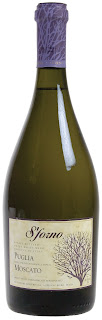
Sforno Moscato: Bottled in 2006, this Spanish kosher wine features an effervescent vibe accented by mild pear and apple flavors. It pairs nicely with sweet fruit and melon, as well as chocolate mousse and similar dishes.

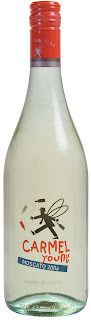
Carmel Young Moscato: This 2007 wine from Israel’s Samson region is known for its pleasant grape aroma and subtle sparkling texture. Serve chilled at light meals or outdoor picnics – the twist-off cap makes it easy to pour in any setting!

Bartenura Moscato: Finally, to Italy! Produced in 2008, Bartenura Moscato boasts a compelling blend of melon, nectar, pear, and tangerine tastes. Drink with dessert, fruit, or a light plate of appetizers.

Your Herzog Wine Pairing Guide

Thursday, April 1, 2010 by Sarah M.
herzog wineThere’s only one thing better than a glass of Herzog wine, and that’s a glass of Herzog alongside a perfectly coordinating dish. Read on for some pairing advice for Herzog wine.

Merlot: Known to be deliciously fruity, Merlot often features plum as its primary flavor. Thus, you can’t go wrong pairing Merlot with plum-flavored dishes, whether you’re serving a currant-plum breast of chicken or tangy plum tart. Merlot is also known to pair well with Asian food.

Zinfandel: Potent and spicy, Zinfandel requires a dish to stand up to its intense flavors, such as savory beef, grilled eggplants, or grains spiced with saffron. Other options include tomato-based meals and aged cheeses.

Chardonnay: As a white wine, Chardonnay is more suited for white fish, as well as creamy pasta and casserole dishes. That being said, Chardonnay is one of the most versatile whites in that it can be grown in many different regions and produced in both light- and full-bodied varieties, allowing it to pair with a wide range of dishes.

Riesling: Like Chardonnay, Riesling is a versatile white available as a Herzog kosher wine. Riesling is sometimes classified as exclusively sweet, however it can be produced with fully-fermented sugar for an extremely dry taste, in addition to semi-dry and semi-sweet flavors. Dry Riesling pairs well with chicken, fish, and spicy meals, while sweet Riesling is a dessert wine ideal for fruit, tarts, and pies.

Vocabulary for Kosher Wines (Part II)

Monday, March 22, 2010 by Sarah M.
kosher winesThink you’re a kosher wine expert? Then I’m sure you know all of these wine vocabulary words, continued from last week’s post…

Pairing: Matching food and wine for an ideal flavor combination. Pairing is a subjective process, although most can agree that white wines work best with lighter dishes like fish, while red wines are best suited for beef and other heavy meals.

Sherry: A wine fortified with brandy produced in the Sherry Triangle of Jerez, Spain.

Tannins: Sometimes called the “pucker power,” tannins are the components of a wine that dry out your mouth, made from grape skins, seeds, and stems. You can also taste tannins in a strong cup of tea without cream or sugar.

Varietal: A type of wine, as defined by the specific grape it comes from.

Zinfandel: A varietal of red grape that’s been vital to California’s wine industry since the 19th century. White Zinfandel is still made with red grapes, although their skins are removed very early during production.

Now that you know all these helpful wine terms, shopping for kosher wines should be even more enjoyable. Visit www.KosherWineRack.com for the best selection of kosher wine on the market.

Your Kosher Wine Vocabulary List (Part I)

Monday, March 15, 2010 by Sarah M.
If you’re looking to expand your knowledge of kosher wines, it might help to brush up on some of the wine industry’s key words and phrases. Read on for our wine vocabulary list, from acidity to zinfandel:

Acidity: Measures the sourness of a wine. Very sour wines are called “tart,” while wines with hardly any acidity are termed “flat.”

Body: The body of a wine defines the concentration of its flavors. Full-bodied wines feel heavy in your mouth, like milk, and light-bodied bottles are more like water. Medium-bodied wines are somewhere in the middle.

Decant: To transfer wine from its bottle to a separate glass container (decanter), either to let the wine breathe or eliminate the sediment in aged red wine.

Fortified: Wine featuring a distilled spirit, often brandy, added sometime during fermentation. If the fortification occurs in the middle of fermentation, the result is a stronger, sweeter wine, as the distilled component will prevent yeast cells from converting sugar to alcohol.

Mevushal: A type of kosher wine heated during production to guarantee its purity. While non-mevushal wine can lose its kosher status if opened or poured by a non-observant party, mevushal wine will always remain kosher.

The History of Israeli Wine

Monday, March 8, 2010 by Sarah M.

When most people think of legendary winemakers, they imagine vineyards and wineries in regions of Italy and France. And while these countries have been bottling wine for a long time, the Israeli wine industry dates back just as early — to biblical times, in fact.

Located along a wine trading route connecting Egypt and Mesopotamia, Israel absorbed knowledge and techniques from passing traders and manufacturers, and wine became a large part of Israeli culture. Israeli wine became popular in other regions as well, including the Roman Empire.

Despite its optimistic beginning, the Israeli wine industry all but died out between the 7th and 18th centuries, beginning with the conquest of the Middle East by Muslims. Wineries and vineyards were closed, and some of the area's indigenous varieties of grapes were lost forever.

The Israeli wine industry began its revival with Baron Edmond de Rothschild of France, who helped found the Carmel Winery in 1882, which remains Israel's leading producer of wine. Rothschild shared his knowledge of winemaking techniques, in addition to importing several types of French grapes to region.

Israeli wine improved again about a century later, when winemakers diverged from traditional sweet kosher wine to bottle dry vintages as well. Since then, Israeli wine has been recognized for its quality by critics the world over.

Bartenura Moscato Wines for Only $9.99!

Monday, March 1, 2010 by Sarah M.
In this economy, you might be asking yourself, “Can I get good wine for under $10?” At some stores, you'd be lucky to find a good bottle for twice that, but www.KosherWineRack.com stocks delicious Bartenura Malvasia, Freisa D'Asti, and Moscato wines — all for only $9.99.

The Bartenura Malvasia is a gently sweet red wine bottled in Italy with subtle accents of cherry and blueberry. Experts recommend pairing the 2008 vintage with dessert, pizza, or moderately spicy food.

Bottled in 2007, the Bartenura Freisa D'Asti is a deeper red, boasting 10% alcohol content to the Malvasia's 5.5. Set apart by its honey and black cherry flavors, the Freisa D'Asti should be served lightly chilled, either by itself or alongside fruit or dessert.

Last, the Bartenura Moscato 2008 is a refreshing white that tastes as fantastic outside on a humid summer day as it does matched with hors d'oeuvres in a more formal setting. Drink your Moscato chilled and enjoy the excited notes of tangerine, nectar, melon, and pear. For a bubbly alternative, try the Bartenura Moscato Piemonte.